




AI spending in banking is accelerating, but many institutions still struggle to move from pilots to scaled revenue.
Research by Dyna.Ai with GXS Partners and Smartkarma shows that while banks are investing heavily in artificial intelligence, most continue to face difficulties translating AI initiatives into sustained financial impact.
The report finds that across Southeast Asia, many AI deployments remain confined to pilot projects that have yet to scale into revenue-generating operations, with operational and organisational challenges slowing adoption.
Global spending on AI in the banking, financial services and insurance sector is projected to rise from US$35 billion in 2023 to US$97 billion by 2027 and US$368 billion by 2032.

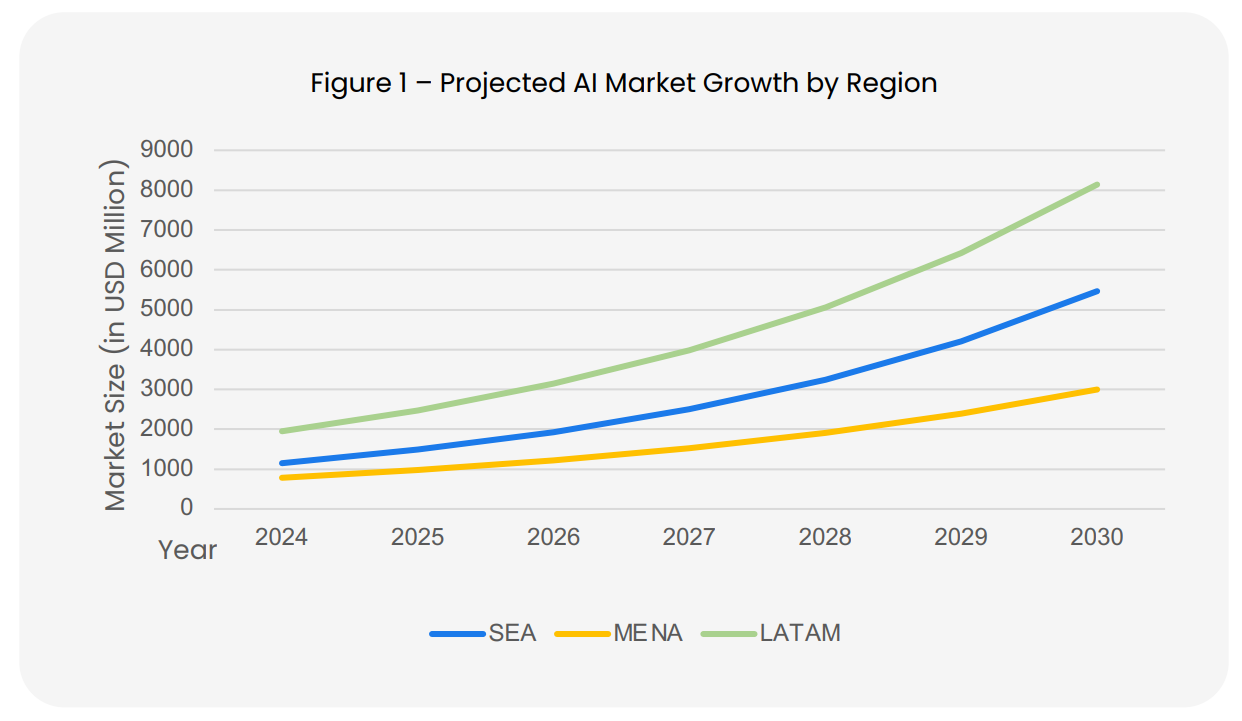
However, the study argues that higher investment alone does not guarantee business results, and that success depends on embedding AI into core workflows and revenue-linked use cases.
One of the strongest revenue drivers identified is AI-based personalisation.
The report links generative AI personalisation to a 6 percent revenue uplift and a 3 percent improvement in return on equity.
In wealth management, AI tools that support relationship managers have also delivered results, with one cited example of an AI coaching tool boosting advisor sales by 20 percent year on year by significantly reducing research time.
How Southeast Asian Banks Are Turning AI into Revenue
In Southeast Asia, banks are applying AI across digital channels to support lending, payments and customer engagement, while tapping into an estimated US$300 billion financing gap for micro, small and medium enterprises.
The report highlights that mobile-first consumers and supportive regulatory frameworks have positioned the region as one of the most active markets for AI-driven financial services.
The study notes that more than US$30 billion has been committed to AI-ready data centre infrastructure across Singapore, Thailand and Malaysia by mid-2024, providing the physical foundation for large-scale AI deployment in the region.
Singapore leads ASEAN in AI readiness, followed by Malaysia and Thailand, with Indonesia and the Philippines catching up quickly, according to the report.
The report also highlights DBS Singapore as the bank generated US$565 million in 2024 from more than 350 AI use cases, and is targeting higher returns as it continues to scale deployments across its operations.
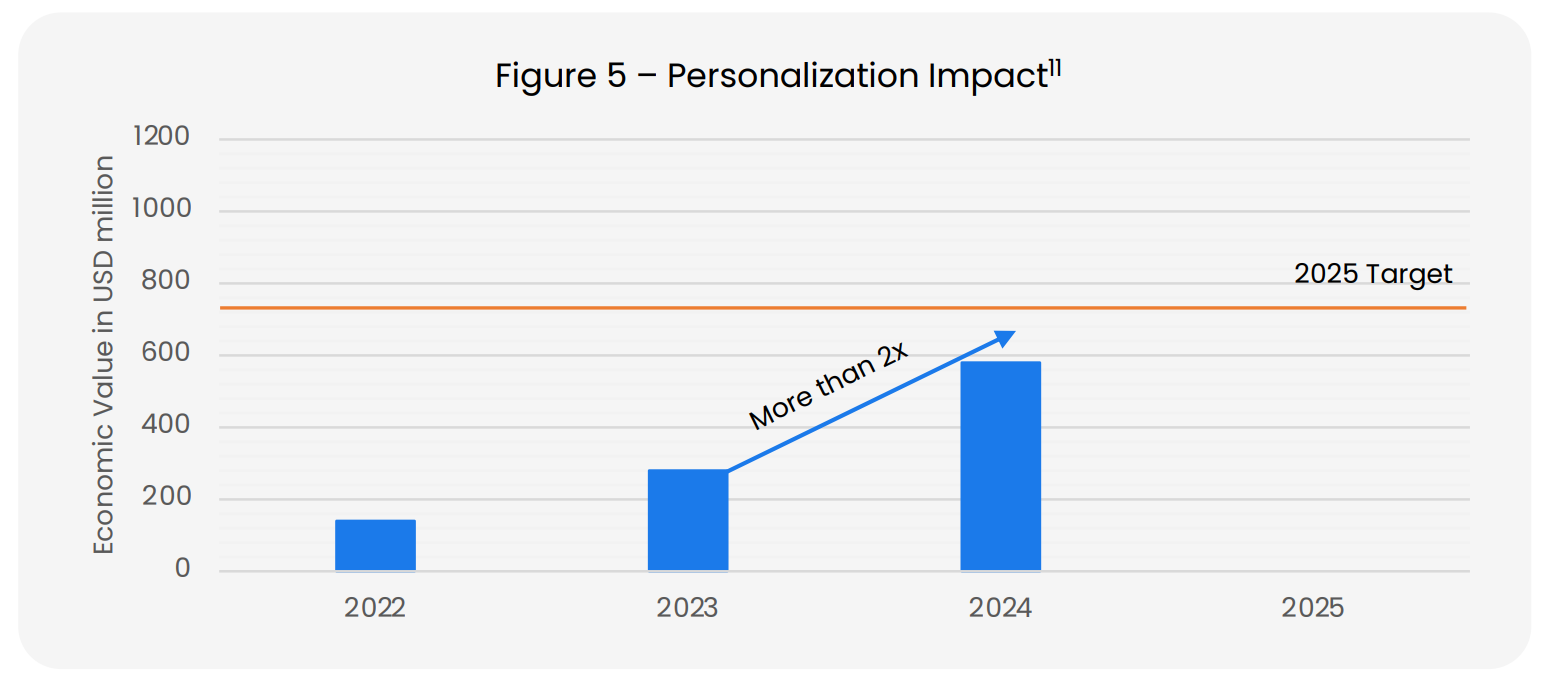
Despite these conditions, the transition from pilot to production remains constrained by three main commercial bottlenecks: fragmented data systems, talent shortages, and regulatory fragmentation across ASEAN.
The report also highlights an adoption gap, noting that while AI models can be deployed within three months, it often takes up to nine months for frontline staff such as relationship managers to trust and actively use them in day-to-day workflows.
It adds that banks are increasingly shifting towards outcome-based commercial models, where AI providers are paid based on measurable business results such as conversion uplift, straight-through processing rates, or time-to-yes, rather than technology delivery alone.

“Most banks believe they are progressing with AI, yet research shows only 10% of the organizations using agentic AI are seeing significant, measurable ROI.
This report shows where revenue is being created, and why many institutions are still stuck despite years of pilots — a gap that is far wider than most executives expect.”
said Tomas Skoumal, Chairman and Co-founder of Dyna.Ai.
The full report “From Pilots to Production: How Banks Turn AI into Revenue” is available here.

Featured image: Edited by Fintech News Singapore, based on image by tamirt via Freepik
