

Consumer fraud is no longer a peripheral risk across APAC. It is becoming a defining factor in how people engage with digital services, payments and financial institutions, and in how much they trust them.
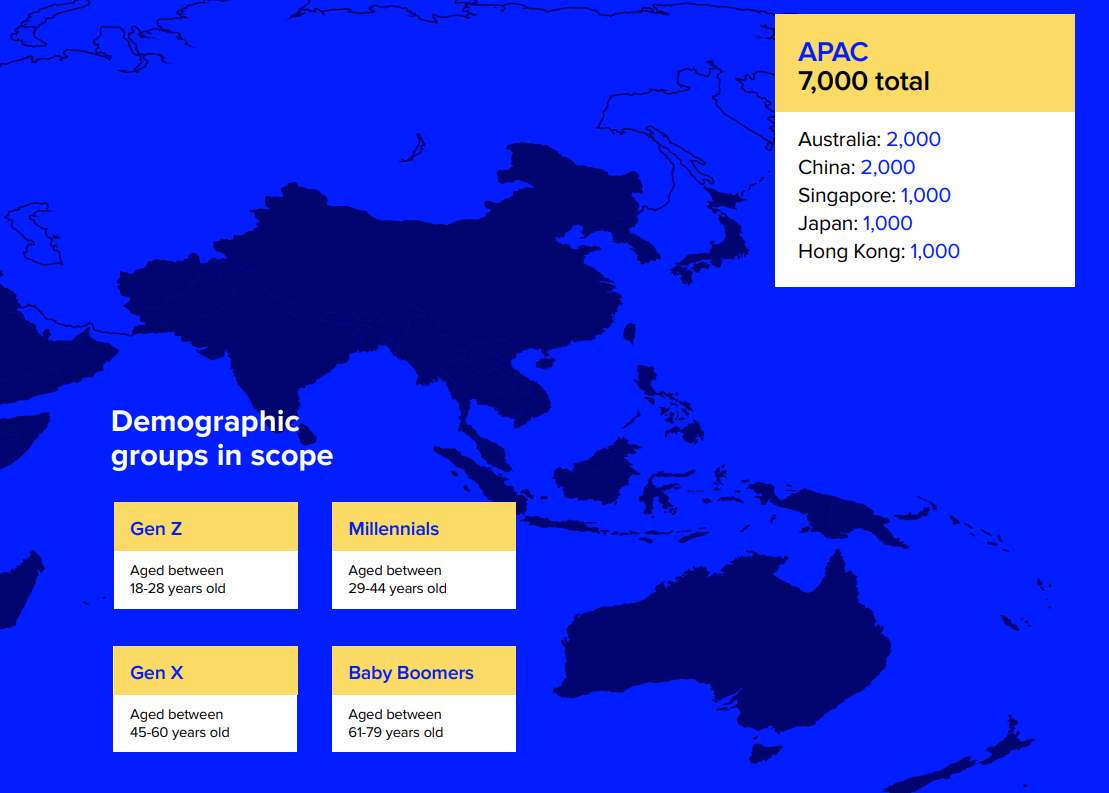
New report from LSEG Risk Intelligence, based on responses from 7,000 consumers across APAC, shows the scale of the challenge and why organisations across banking, fintech and payments need to rethink how fraud risk is managed.
Fraud exposure is now the norm, not the exception
Almost six in ten adults across APAC have been exposed to scams directly or indirectly in the past two years.
Around one in four consumers report being personally targeted, and of those, 42% lost money.
In aggregate, this means roughly one in ten adults across the region has already become a scam victim.
While exposure levels vary by market, no country is immune.
Australia reports the highest levels of concern and targeting, while China shows lower perceived risk but the highest loss rate among those targeted.
In Japan, by contrast, exposure is relatively low but anxiety about fraud remains high, a paradox that highlights how perception and reality can diverge sharply.
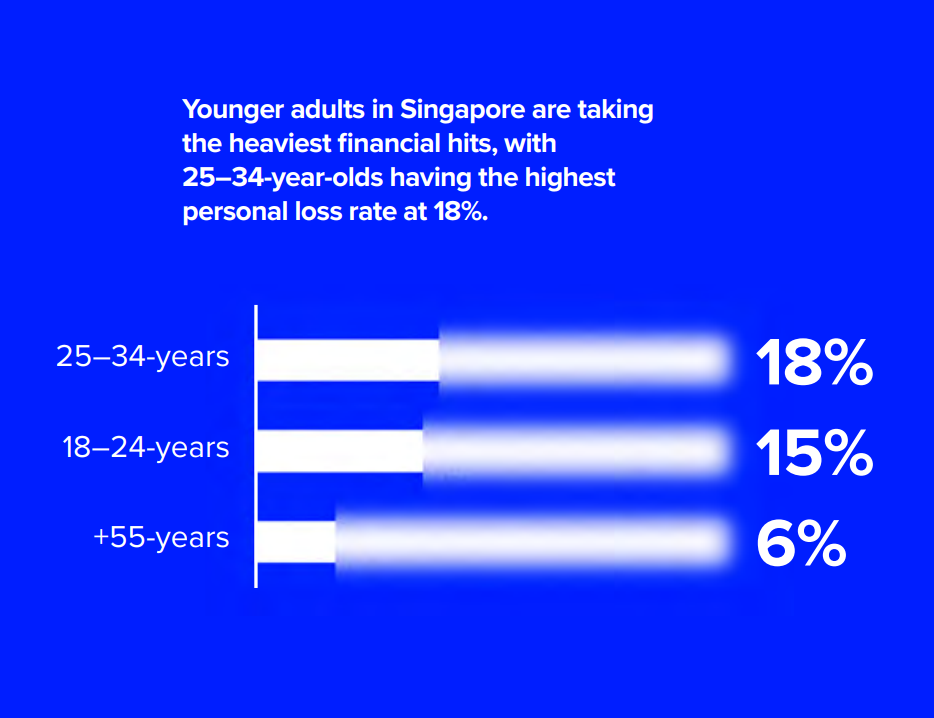
In Singapore, younger adults appear particularly exposed to financial losses, with 25–34-year-olds reporting the highest personal loss rate among surveyed age groups.
For organisations operating across borders, these differences matter. Fraud controls, education and customer communication cannot be one-size-fits-all.
AI is accelerating scams and eroding confidence
One of the most significant shifts highlighted by the research is the growing role of AI-enabled fraud.
Around one in five APAC consumers encountered AI-generated scam content in the past year, including voice clones, deepfake videos and fake customer-service chatbots.
These tactics are not just increasing losses, they are changing behaviour.
Nearly half of those exposed to AI-driven scams now trust unknown phone calls less, while many report greater suspicion of video calls, polished online ads and digital endorsements.
For financial institutions and digital platforms, this erosion of trust presents a dual risk: fraud losses on one side, and declining engagement or conversion on the other.
The human impact goes far beyond money
The report makes clear that fraud is not a purely financial event.
Almost half of scam victims across APAC report anger or frustration, while significant numbers experience anxiety, embarrassment or shame.
In markets such as Hong Kong and Australia, concern about financial security is particularly acute.
These emotional effects drive lasting behavioural change.
An overwhelming 96% of victims say they changed how they act after being scammed, becoming more cautious with payments, more guarded with personal information, or avoiding certain digital channels altogether.
While caution can reduce future risk, it can also increase friction, slow payments and damage customer experience if not addressed carefully.
Education gaps remain a critical weakness
Despite living in high-risk environments, most consumers do not feel well prepared.
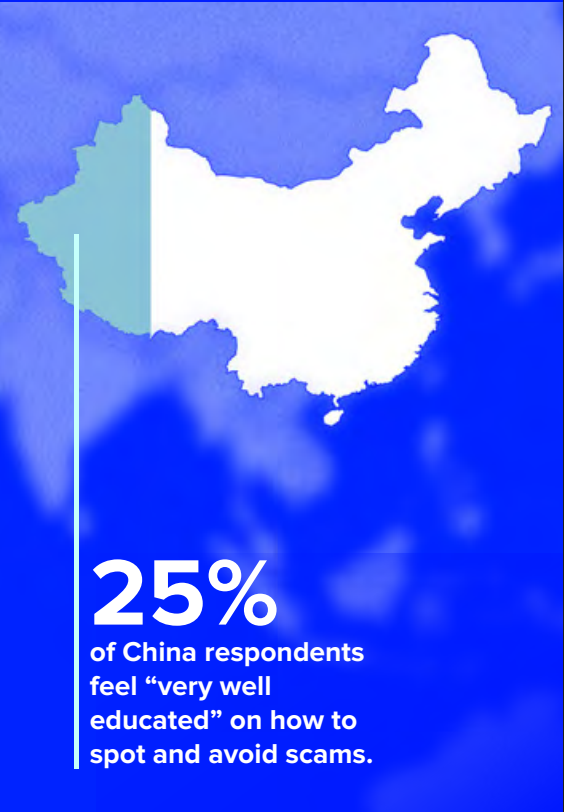
Only 23% of APAC respondents say they feel “very well educated” on how to protect themselves from scams, and around one in five say they are unaware of any protections or support available if something goes wrong.
This gap between exposure and preparedness is particularly concerning as scams become more sophisticated.
In several markets, awareness of newer threats such as deepfakes or QR-code scams remains low, even among digitally active consumers.
What this means for financial services and fintech
The findings point to a clear conclusion: trust is now a core fraud metric.
Organisations that combine effective controls with clear communication, consumer education and fast response mechanisms are better positioned to reduce losses and preserve confidence in digital channels.
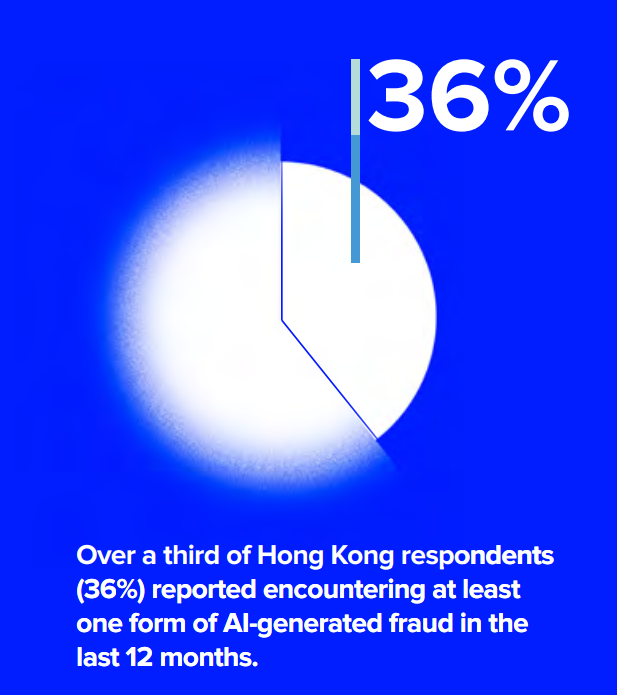
Markets such as Hong Kong, where high exposure is paired with lower loss rates, suggest that vigilance, collaboration and timely intervention can make a material difference.
As digital engagement continues to grow across APAC, fraud risk will remain dynamic. Understanding how scams affect consumer behaviour, confidence and decision-making is no longer optional.
It is a prerequisite for protecting customers, sustaining growth and maintaining trust in the financial system.
Download the full APAC Consumer Fraud Report 2026 by LSEG Risk Intelligence to explore the data by market and demographic.