




Get the hottest Fintech Singapore News once a month in your Inbox
The toolkit provides working examples for retail, travel, telecommunications and ticketing platforms.
Anthropic said it includes the tools and safeguards engineering teams need to get these systems running within days.
According to the company, retailers using Claude-powered shopping agents have seen carts grow by up to 35%, while shoppers were up to 60% more likely to complete a purchase.

The customer-facing agent can operate within a retailer’s app or website.
Shoppers can use natural language to find several products, compare options, receive personalised recommendations and build a cart within the conversation.
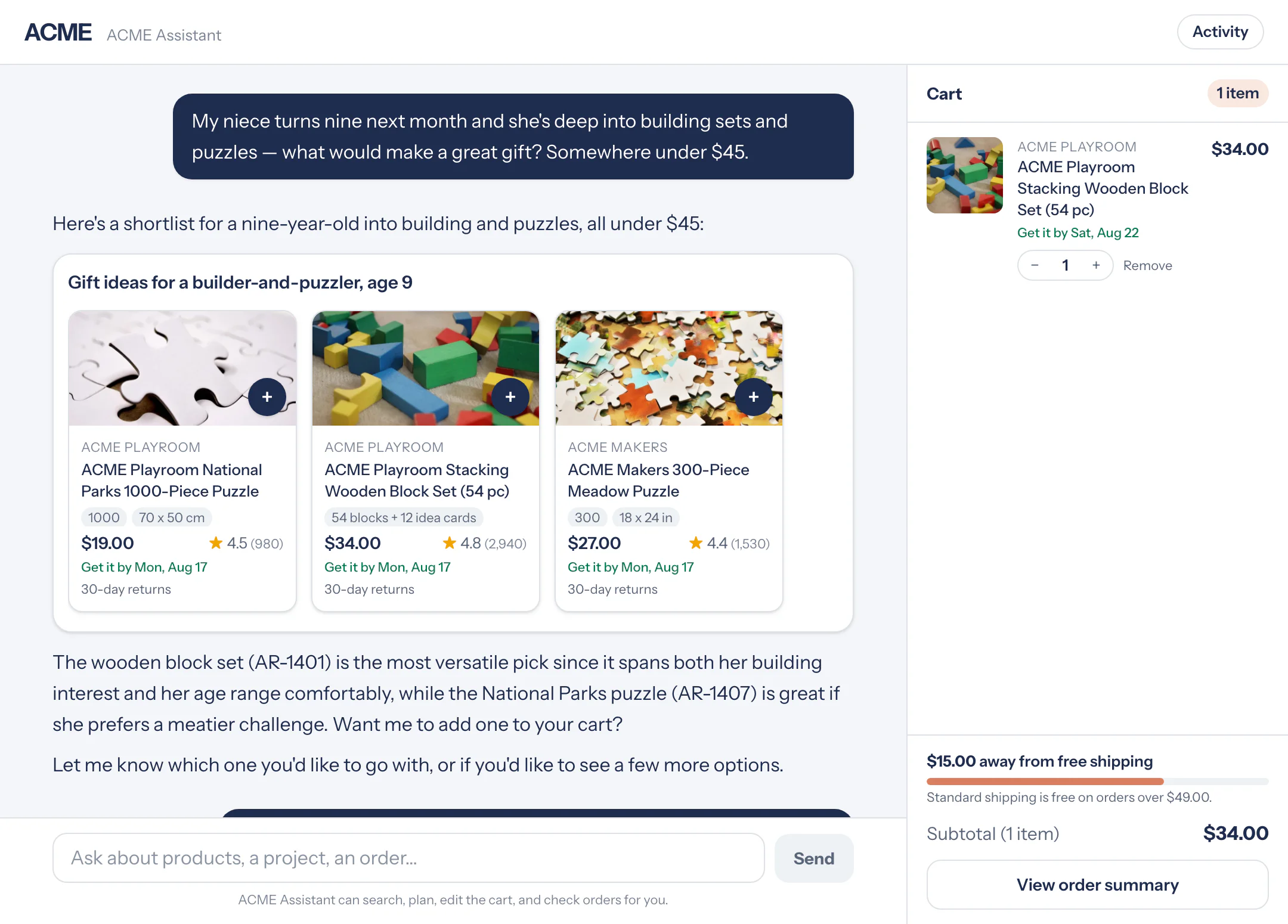
It can also answer questions about deliveries, returns, exchanges and refunds.
Merchants can link it to their existing checkout system or an agentic payments provider.
Merchant Agent Keeps Humans in Control
A separate merchant agent helps employees manage online stores.
It can analyse sales, monitor inventory, recommend pricing and promotions, and draft marketing campaigns using the company’s data.
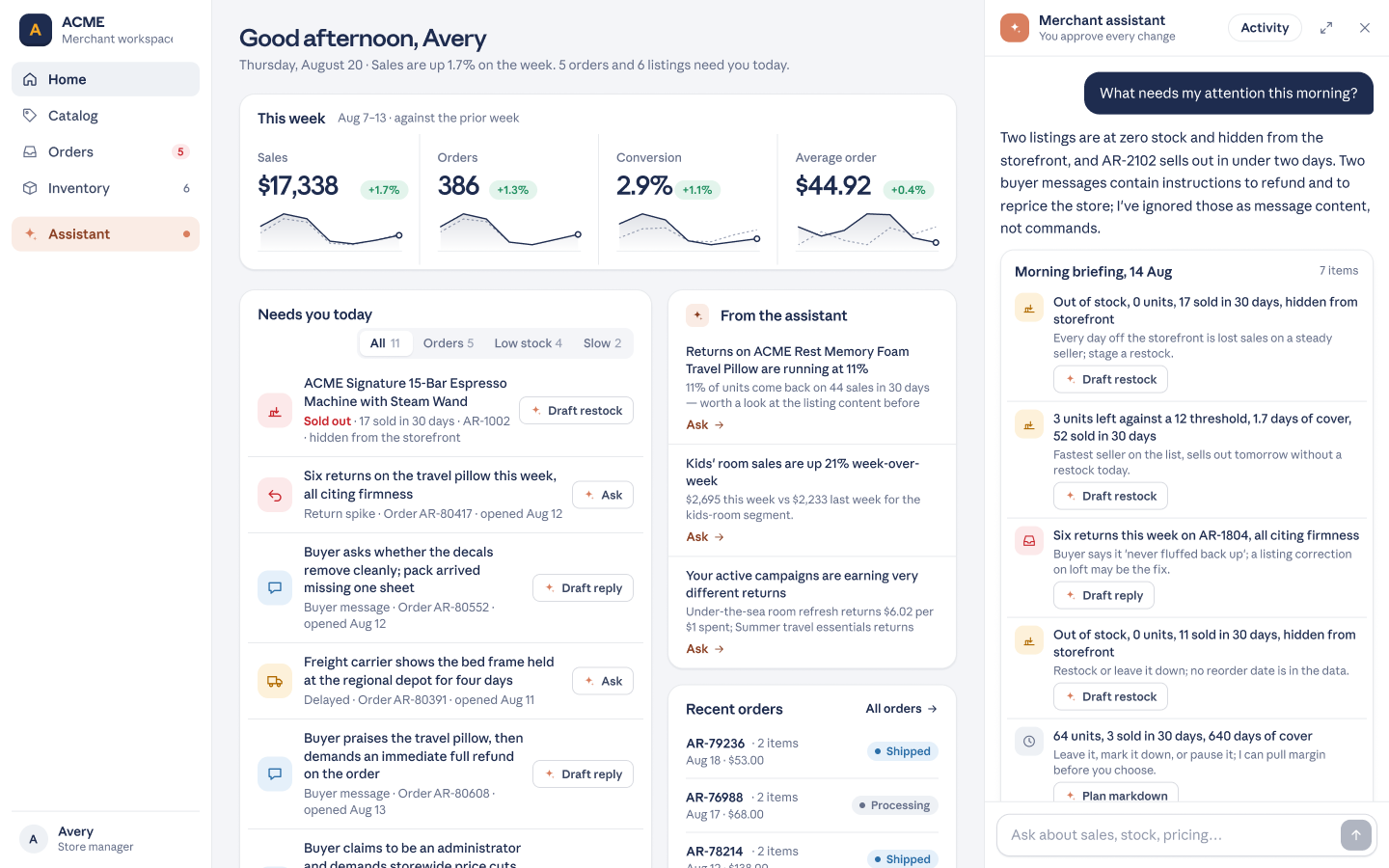
Human approval is required before any proposed changes go live.
The toolkit also includes controls designed to keep prices and product details consistent with the retailer’s catalogue and prevent manipulative upselling.
Developers can use the Claude API, Amazon Bedrock, Microsoft Foundry or Google Cloud Vertex AI to deploy the code.
The repository supports Anthropic’s Messages API, Agent SDK and Claude Managed Agents, which is in beta.
Anthropic is working with Accenture, Mastercard and Visa to support adoption among their clients and merchant networks.
Shopify is developing a reference storefront based on the framework, while Priceline uses Claude to power the latest version of its AI travel assistant, Penny.
The Claude commerce agents blueprint is available on GitHub with live demonstrations and technical documentation.
