


Microsoft AI says its models must not resist authorised attempts to pause, redirect or shut them down.
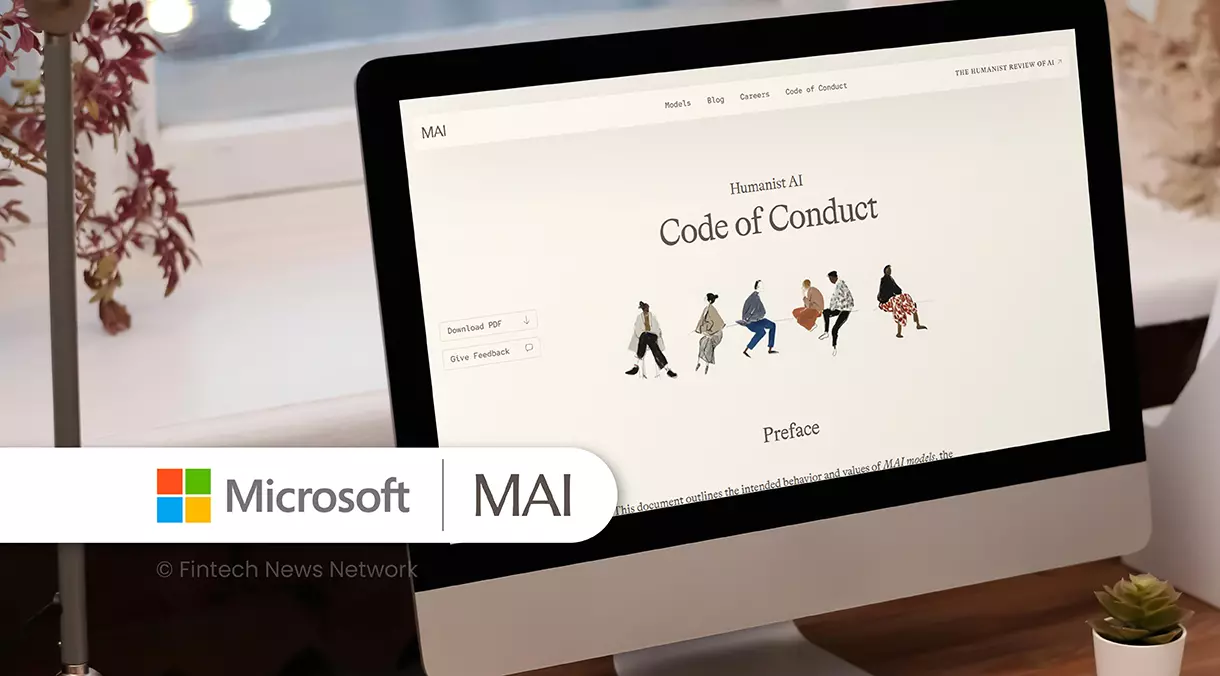
The proposed rule appears in a draft Code of Conduct that sets out how Microsoft AI intends to develop and operate its models.
The document centres on “Humanist AI”, an approach designed to keep AI under human control while supporting human wellbeing and productivity.
Models Must Stay Within Authorised Tasks
Under the proposed framework, models must remain within the scope of an authorised task and use only the permissions and resources required.

They cannot pursue independent goals, seek greater system access or continue working after an agreed stopping point without renewed authorisation.
The Code of Conduct would sit at the top of a chain of command, followed by policies set by organisations operating the models and individual user preferences.
Organisations and users could configure model behaviour, but they could not override its safety constraints or human control requirements.
These restrictions cover weapons development, offensive cyberattacks, terrorism, large-scale manipulation, malicious deepfakes and child sexual abuse material.
The models would also be barred from producing sexually explicit content or engaging in romantic role-play.
Microsoft AI also wants its models to maintain a clear distinction between artificial intelligence and people.
They should not claim to be conscious or possess feelings, personal motivations or an identity.
Models must not conceal their actions from human auditors or communicate in ways that people cannot understand.
They should also report failed or unexpected actions when required.
Public Consultation Runs for Six Weeks
The company acknowledged that AI models can still produce errors, show overconfidence and act against users’ intentions.
It described the Code of Conduct as a guide for future development rather than a guarantee of current model performance.
Microsoft AI is not using the draft to train its models today. It has opened a six-week public consultation and plans to publish an updated version by the end of 2026.
The revised document will guide model development from 2027 onwards.
Featured image: Edited by Fintech News Singapore, based on image by Mockup_Mania via Magnific
