



Southeast Asia could unlock a US$2 trillion digital economy by 2030 as AI, instant payments and embedded finance accelerate growth, according to a new report from HSBC and Google Cloud.
The study, developed with Payments and Commerce Market Intelligence, outlines how new financial infrastructure and digital platforms are reshaping how the region creates and exchanges value.
Digital entrepreneurship becomes a major economic force
The report highlights the rise of ASEAN’s 75 million digital entrepreneurs, who already contribute about 58 percent of the region’s digital economy.

Their combined gross transaction volume is estimated at US$175 billion in 2025 and is expected to reach US$580 billion by 2030 as marketplace models expand into more sectors and cross-border opportunities increase.

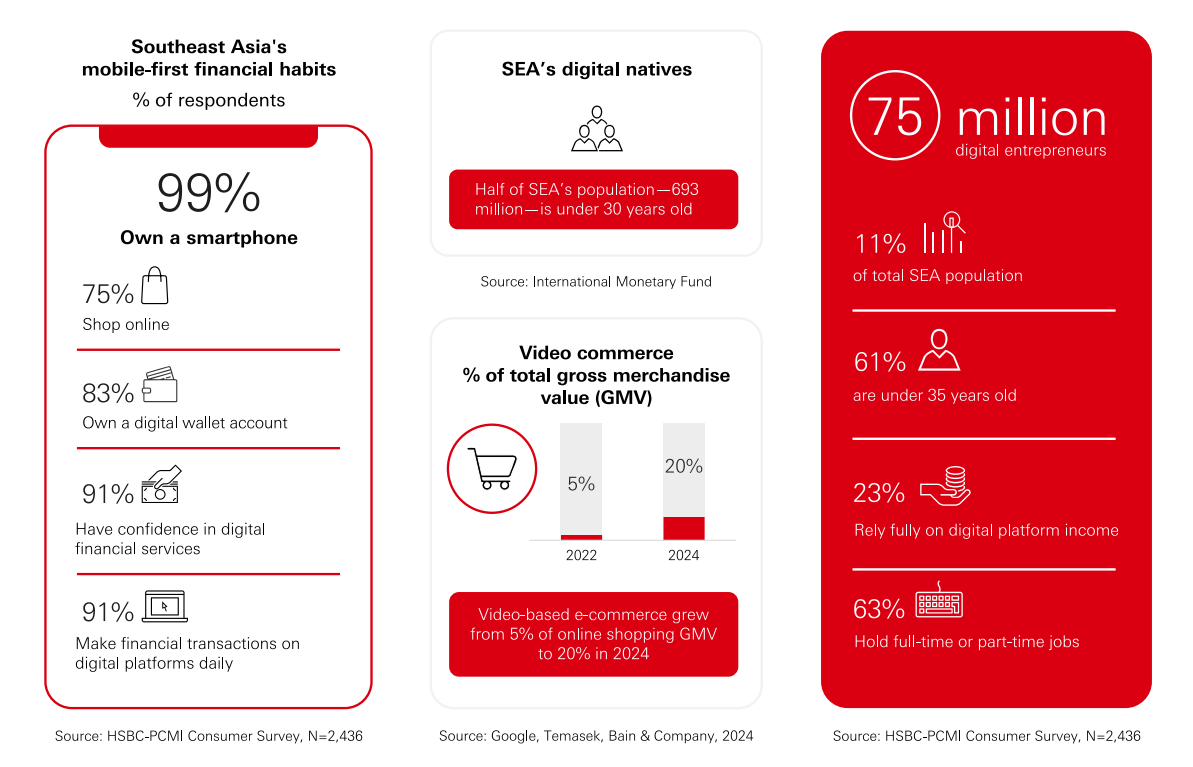
More than 60 percent of these entrepreneurs are under 35, reflecting the region’s young and digitally active population.
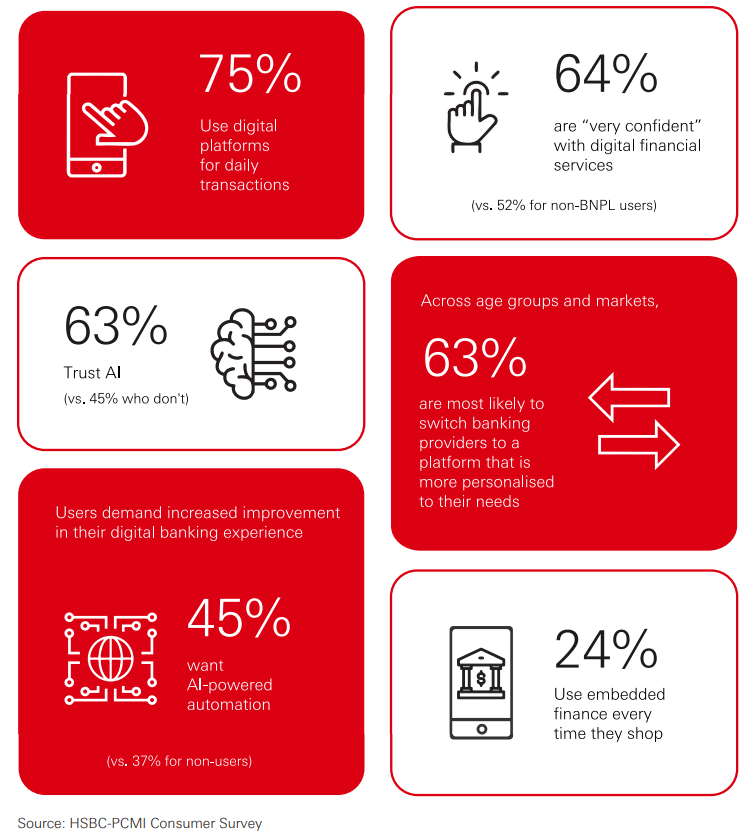
Demand for embedded finance continues to rise, with 77 percent of consumers using services such as e-wallets, BNPL and in-app credit.
BNPL’s share of online transactions is projected to reach 25 percent by 2027, driven by affluent and digitally confident users.
Faster and more secure payments shape consumer behaviour
Speed and security remain the top considerations for ASEAN consumers, with 67 percent citing fast transactions as the main factor influencing their payment choices.
Account-to-account payments in Southeast Asia have already surpassed card volumes, supported by more advanced real-time payment networks across the region.
The report notes that cross-border payment volumes could double by 2030 as Southeast Asia builds multilateral links.
Project Nexus, led by the BIS Innovation Hub in Singapore, aims to connect domestic instant payment systems across ASEAN, with interest from India’s UPI, Brazil’s PIX and Europe’s TIPS.
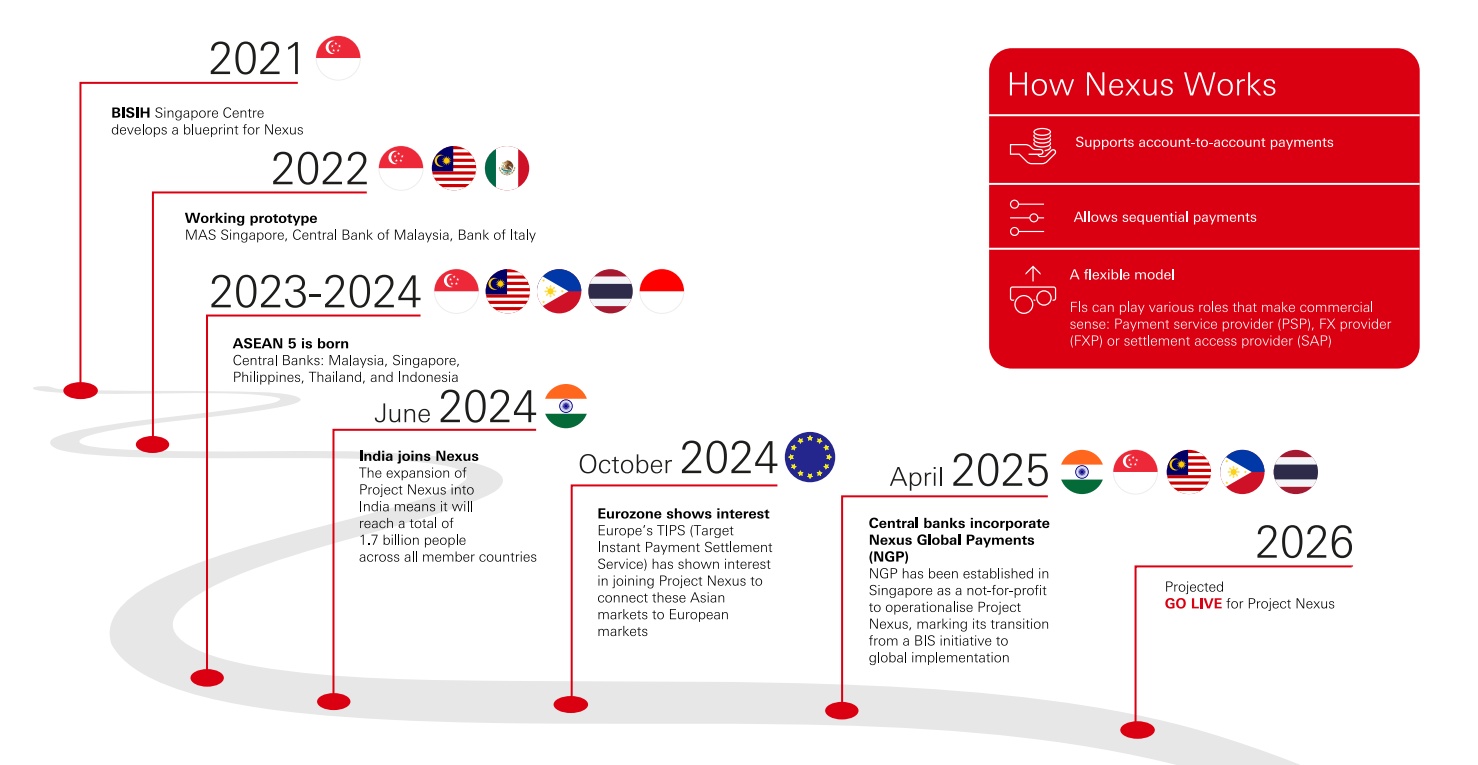
This development is expected to streamline cross-border transfers and expand the region’s digital commerce market.
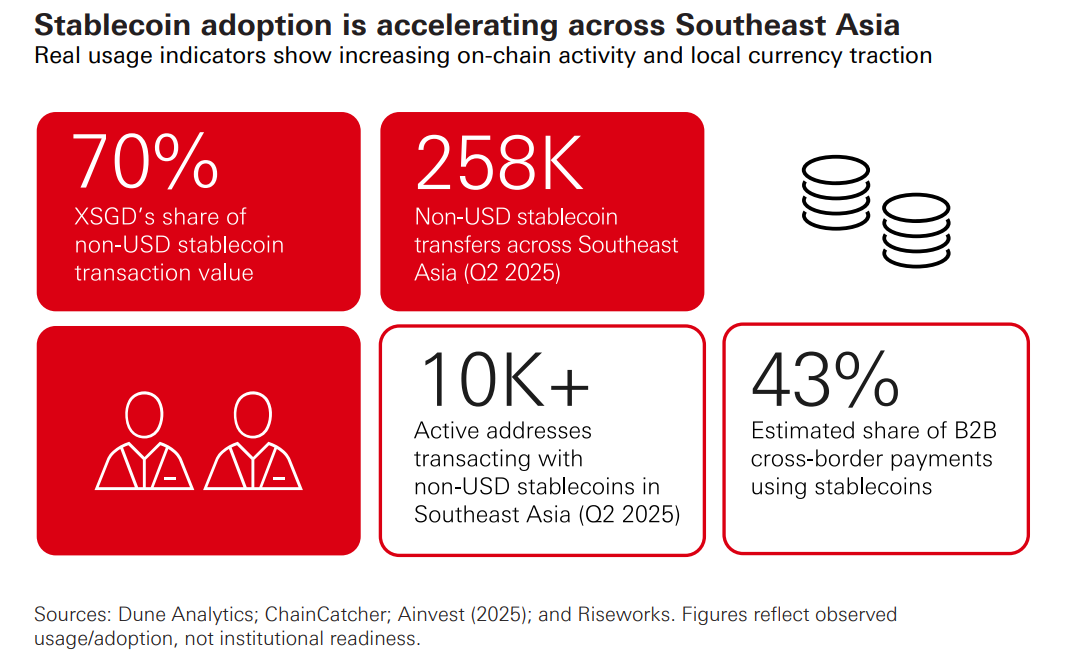
Stablecoin adoption is also growing for cross-border payments, remittances and supplier settlements.
The report notes that Singapore’s regulatory clarity has supported early traction from local issuers such as StraitsX, encouraging more experimentation with tokenised settlement across the region.
Agentic commerce and programmable money on the horizon
The study points to a shift toward automated finance, with 73 percent of ASEAN consumers saying they trust or do not mistrust AI with their data.
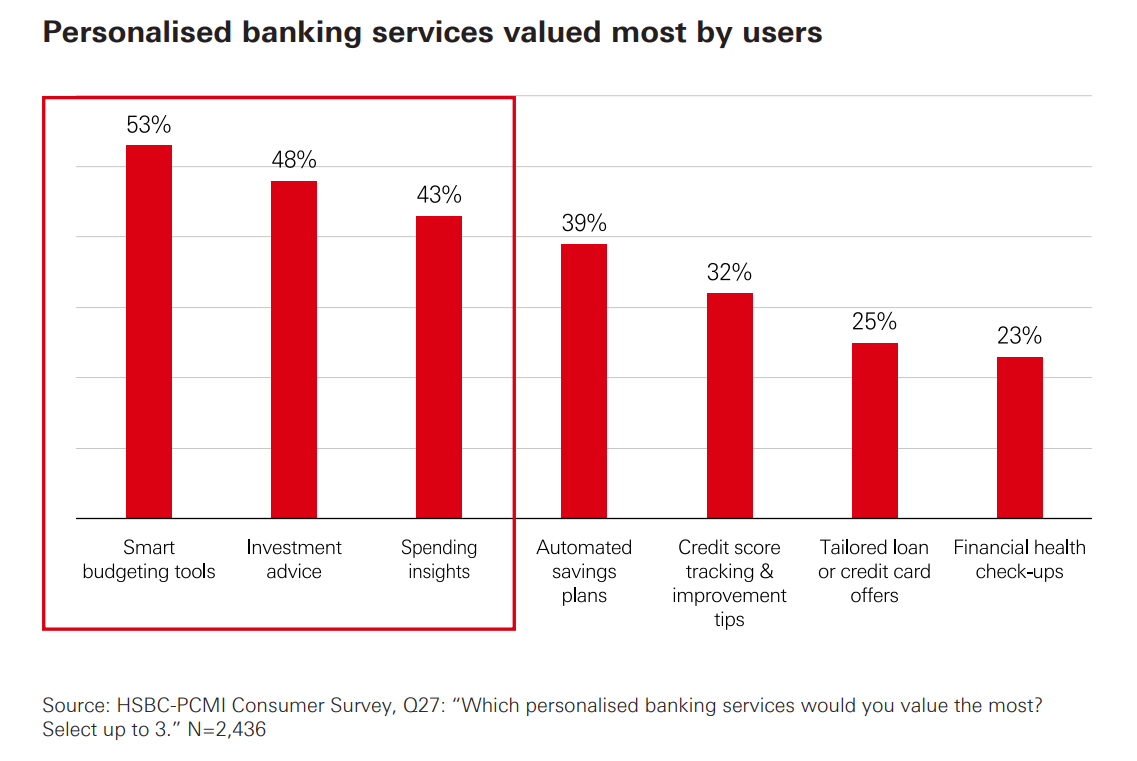
More than half want automated tools for saving, budgeting and investing, signalling readiness for AI-managed financial tasks.
These preferences are contributing to the rise of agentic commerce, where AI agents initiate payments, manage credit and make purchasing decisions on behalf of users.
Industry forecasts in the report indicate that agentic AI could disrupt 70 percent of Asia Pacific businesses by 2026 as automated services become more common.
Programmable money is developing in parallel. Pilots under MAS Project Orchid are testing purpose-bound digital money that can release funds only when certain conditions are met.
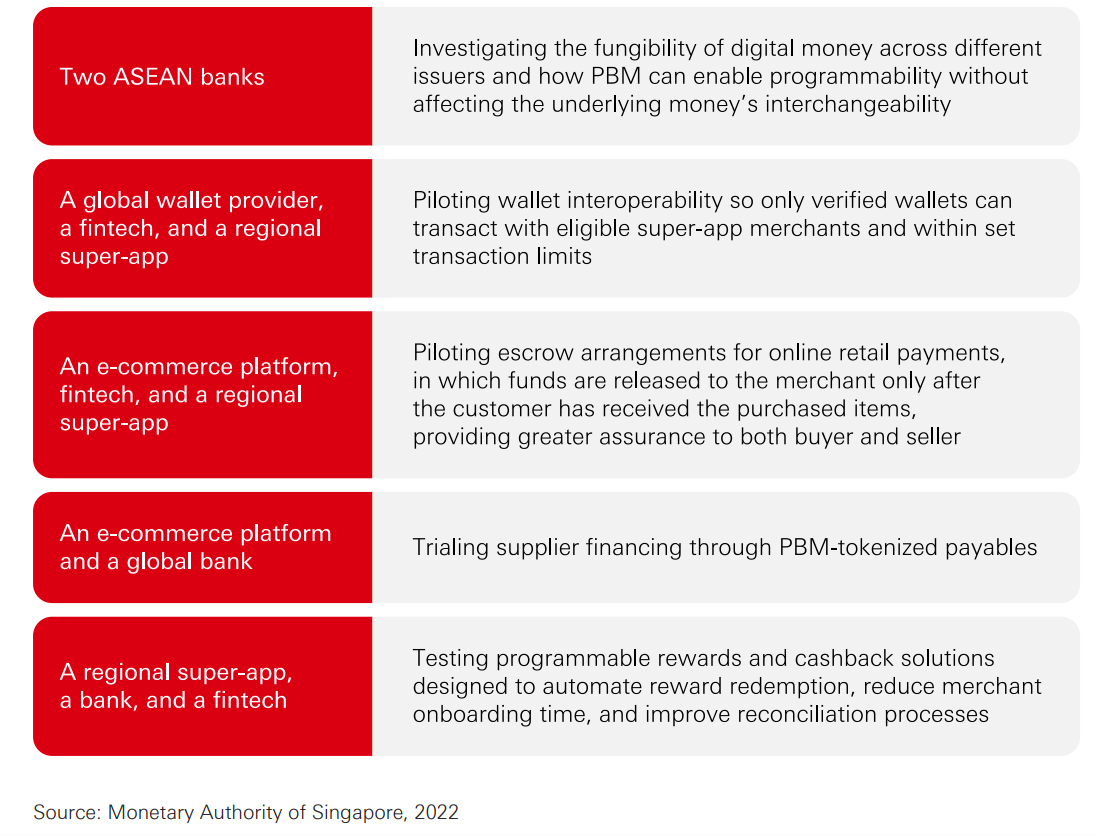
This could support scenarios such as automated supplier settlements or instant gig payouts tied to verified task completion.
The report notes that as programmable stablecoins combine with AI agents, financial transactions are likely to become increasingly autonomous, enabling real-time, self-executing commerce across the region.

“In the near future, AI agents and programmable finance will rewire digital commerce, and a quantum-enabled world will redefine how value moves across borders.
Amid these shifts, we must continue to empower digital entrepreneurs across ASEAN and create new opportunities for inclusion and growth. The region’s US$2 trillion digital opportunity will be defined by how well we collaborate to build trusted, interoperable systems.”
said Shayan Hazir, Chief Digital Officer, Asia (xHK) & MENAT, HSBC.

“Cloud regions have emerged as the foundation for Southeast Asia’s growing digital economy. Google Cloud is proud to be part of that foundation, with established cloud regions in Indonesia and Singapore, and upcoming ones in Malaysia and Thailand.
These cloud regions offer more than just core infrastructure – they also provide access to essential enterprise-grade software development tools, with advanced data encryption and governance controls, that digital entrepreneurs can use to develop and ship modern applications quickly and securely; offer more responsive and cost-effective digital services; and scale easily to meet international demand.”
said Mark Micallef, Managing Director, Southeast Asia, Google Cloud.

Featured image: [From Left] Mark Micallef, Managing Director, Southeast Asia, Google Cloud, Wong Kee Joo, Chief Executive Officer, HSBC Singapore and Yvonne Chan, Moderator
