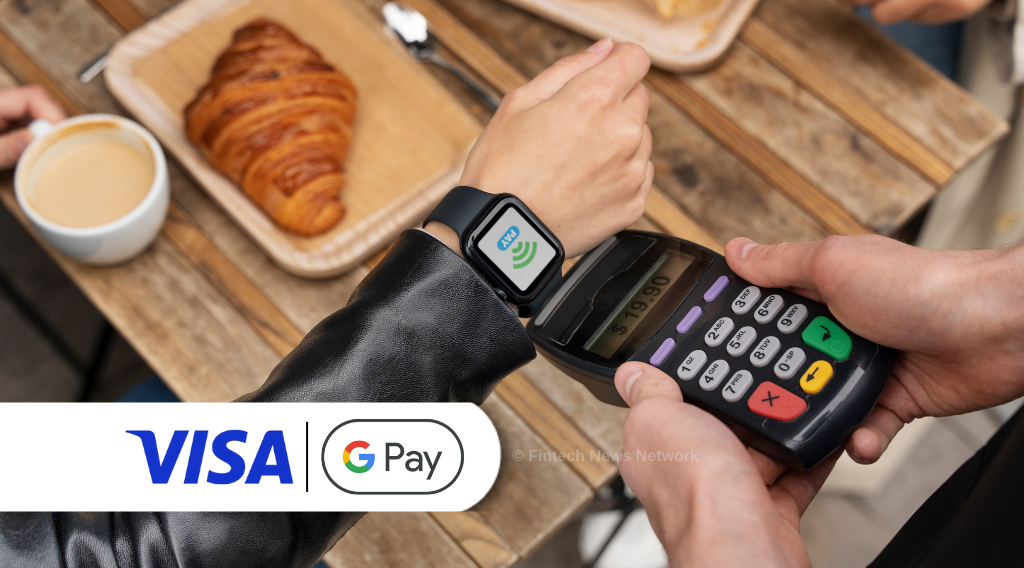
A Google executive confirmed these plans during the Singapore Fintech Festival (SFF), indicating a broader rollout across the Association of Southeast Asian Nations (ASEAN).
Currently, the mobile wallet service is available in Singapore, Malaysia, Thailand, Cambodia, and Vietnam. Ramakrishnan TG, Strategic Partnerships Lead for Google Pay APAC, outlined the company’s regional goals.
Ramakrishnan TG
“I’m pretty sure over the next 18 to 24 months, we are going to cover all 11 [ASEAN countries] and any additional countries in the next 18 to 24 months,” Ramakrishnan said.
For the Philippine market specifically, the timeline appears accelerated.
Jeffrey Navarro
Jeffrey Navarro, Visa Philippines Country Manager, stated, “I think safe to say, this year.”
In August, the BSP clarified that it does not currently require technical service providers (TSPs) like Google Pay and Apple Pay to register with the central bank, effectively distinguishing them from Operators of Payment Systems (OPS).
While they are not classified as OPS, the BSP emphasised that supervised entities, such as banks, remain responsible for managing any risks associated with engaging TSPs.
Local banks partnering with these platforms must ensure their systems support tokenisation, a process that replaces sensitive card data with unique, randomly generated tokens to prevent fraud.
Ramakrishnan also clarified the nature of the service, noting that Google Wallet is distinct from e-wallets that store funds, such as GCash or Maya.
Instead, it securely stores digital versions of physical items.
“You keep your credit card, debit cards, national ID, driver’s license, health cards, car keys all in your [Google] wallet,” he explained.