



Mastercard has contributed research on embedded A2A payments to the PayNow Generation 2 (PayNow Gen2) Phase 2 study.
Its work examines how consumers could pay directly from their bank accounts at online checkout and how dispute resolution frameworks could build trust in these transactions.
The Association of Banks in Singapore (ABS) and the Monetary Authority of Singapore (MAS) are jointly conducting the study to shape the next stage of Singapore’s national instant payments system.
It follows the Phase 1 findings released earlier this year.

The Phase 2 report, published on 18 November, outlines implementation plans across three themes: making everyday payments more seamless, safe and inclusive; improving global payment interoperability; and preparing Singapore’s payment system to support future economies.
Mastercard’s two papers on A2A payments
A2A payments transfer funds directly between bank accounts rather than relying on card payments. Mastercard used online checkout as its initial use case, examining how interoperability, trust and common standards could encourage more banks and merchants to participate.
The company contributed two papers to the study.
Evaluating Embedded Payments and the Operating Models: Building the Next Evolution of PayNow Gen2 examines potential operating models for embedded A2A payments.
Meanwhile, Building Trust in Real-Time Payments: A Principles-based Dispute Resolution Framework for A2A Payments outlines governance principles for handling disputes, with the aim of building trust and encouraging wider participation.

“As Singapore explores the future of PayNow, interoperability, user experience consistency and industry collaboration will be critical to scaling A2A payments across everyday commerce,”
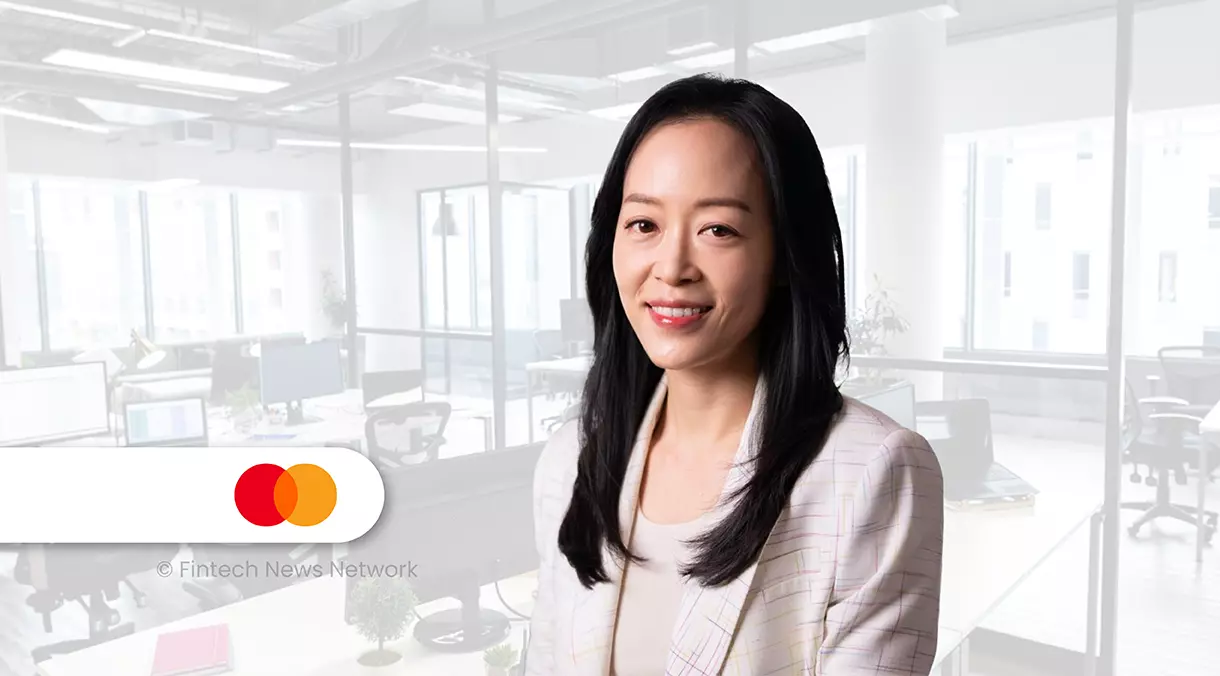
said Minsook Cho, Country Manager, Singapore, Mastercard.
UOB and Google Pay feature in checkout demonstration
At the Singapore Fintech Festival 2026, Mastercard demonstrated a potential embedded A2A payment experience with UOB and Google Pay as checkout options.
The demonstration allows consumers to pay directly from their bank accounts within a merchant’s checkout page in a few taps. They do not need to save QR codes, switch between apps or manually confirm payment details.
Banks remain responsible for authentication and maintain the underlying account relationship throughout the transaction.
The demonstration features different deep-linked payment flows. Consumers can pay as guests without linking an account, link a bank account once for single-tap payments on future purchases, or use a passthrough wallet.
According to Mastercard, a centralised approach simplifies merchant integration and supports wider deployment across the ecosystem. It also accommodates other commerce use cases, including subscription payments and real-time refunds.
Where this fits in the PayNow roadmap
The papers relate to several enhancements outlined in the PayNow Gen2 implementation roadmap by MAS and ABS.
Common technical standards and a central facility for deep-linking are scheduled for completion by the end of 2027, with additional e-commerce linkages planned throughout 2028. Person-to-merchant rules covering disputes, refunds, fraud and scams will also be introduced in stages over 2028.
Deep-linking is already available in some checkout experiences, including Lazada through the OCBC app, according to MAS.
UOB is working with Mastercard to explore how deep-linking and A2A payments could be integrated into online shopping journeys.
E-commerce accounted for more than half of the bank’s total card spend in the first half of 2026.

“At UOB, PayNow transaction volumes have doubled since 2023, reflecting the growing role of digital payments in our customers’ everyday banking,”
said Jacquelyn Tan, Head of Group Personal Financial Services, UOB.
Tan added that UOB plans to work with regulators and industry participants as these capabilities develop. The aim is to make payments more seamless for consumers while helping businesses improve payment and reconciliation processes.
Featured image credit: Edited by Fintech News Singapore, based on image by Wavebreak Media via Magnific
