


Mastercard has launched a consulting service to help financial firms decide which systems to upgrade first as they prepare for quantum computing.
The Quantum Advisory Practice is part of Mastercard’s Advisors and Transformation business.
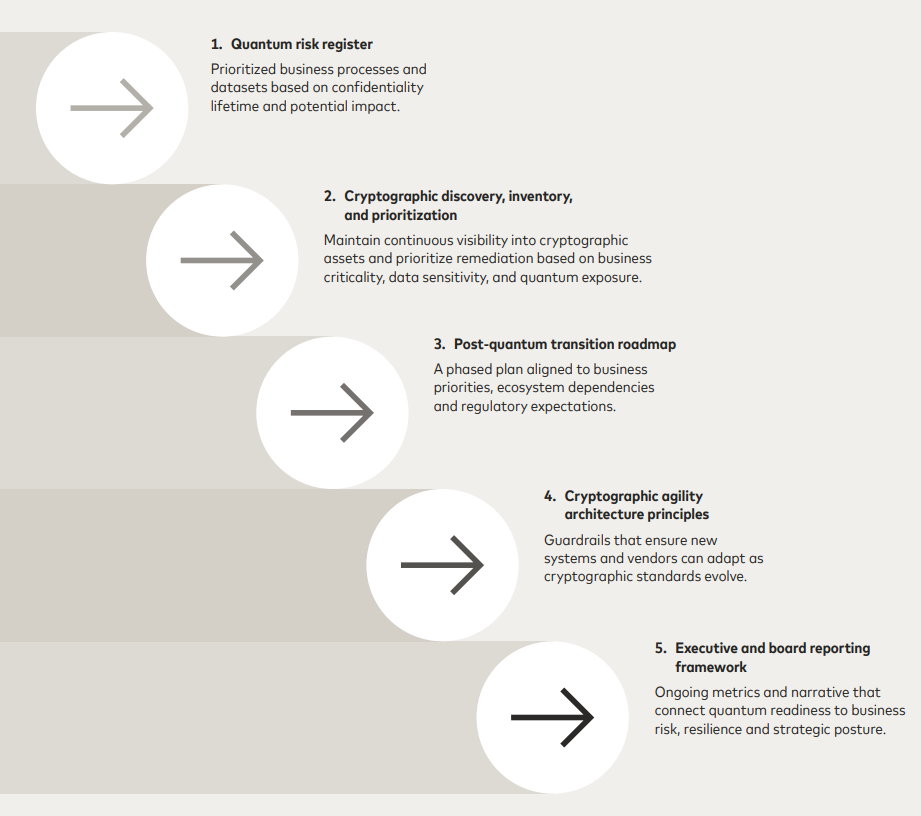
It will help firms map where they use cryptography and identify systems that could be vulnerable.
The team will also help firms plan a phased move to cryptography designed to withstand attacks from quantum computers.

Board briefings and research partnerships
The practice will brief executives and board members on the risks and help firms explore uses for quantum computing in areas such as fraud detection and financial operations.
QIZ Security will be part of the new practice.
Mastercard is also working with Oxford Quantum Circuits on research and development, including a pilot focused on protecting against financial fraud.
Why encrypted data is already at risk
Quantum computers cannot yet break widely used public-key encryption, but attackers could collect encrypted data now and try to decrypt it once the technology advances.
Known as “harvest now, decrypt later,” the tactic puts information that needs to stay confidential for years, such as customer records and contracts, at risk.

“Quantum is already a present-day risk management and resilience imperative. Mastercard has invested in technology capabilities, advisory services and partnerships to help the ecosystem navigate the quantum wave.
With Mastercard’s new Quantum Advisory Practice, we’re helping organisations take deliberate steps today to understand their exposure, build cryptographic agility and embed long-term readiness into their enterprise strategy.”
said Marc Carolus, EVP of Advisors & Transformation at Mastercard.
Mastercard’s white paper looks at what firms can do if some records can no longer be trusted.
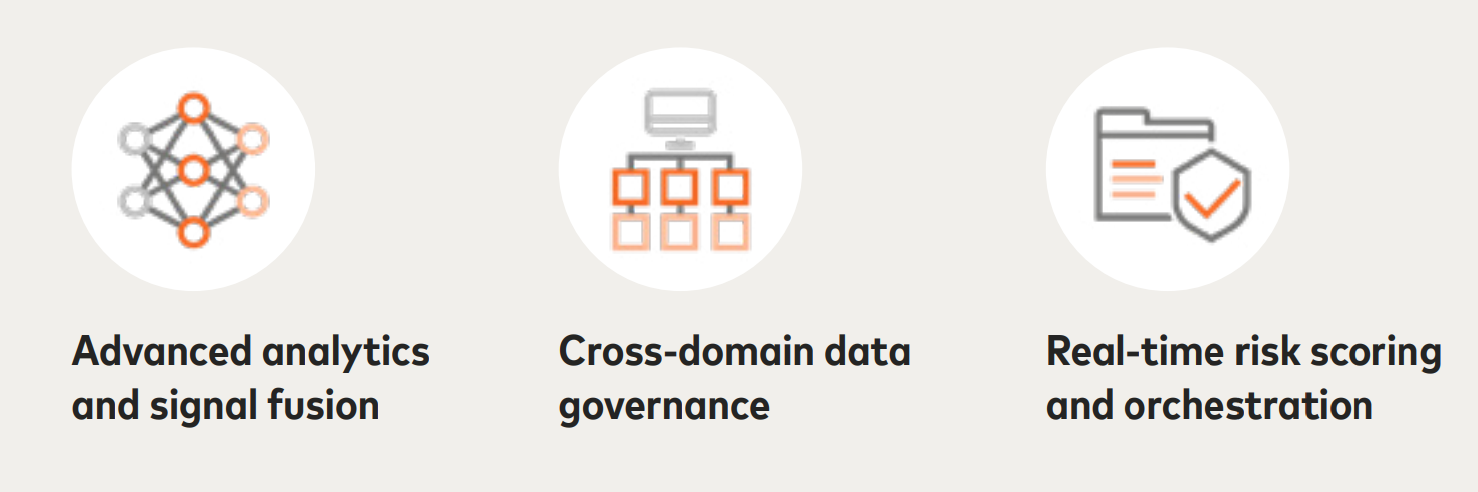
One option is to check a high-risk transaction against several data sources rather than relying on a single record.
How financial firms can prepare
The white paper recommends prioritising upgrades based on how long data needs to stay confidential and how critical each system is to the business.
It also recommends phasing in changes around business priorities, dependencies on other organisations and regulatory expectations.
The paper recommends designing new systems so firms can more easily replace cryptographic methods as standards change.
Mastercard ranked third in financial services in HorizonX’s 2026 Quantum Index, up from 11th in 2025. It ranked first in the payments category.
Featured image: Edited by Fintech News Singapore, based on image by Who is Danny via Magnific
