




Singapore’s fintech employers are struggling to fill jobs that combine technical skills with expertise in finance, regulation or risk.
The Singapore Fintech Association (SFA) and Page Executive identified those hiring gaps in the eighth edition of the Singapore Fintech Talent Report.
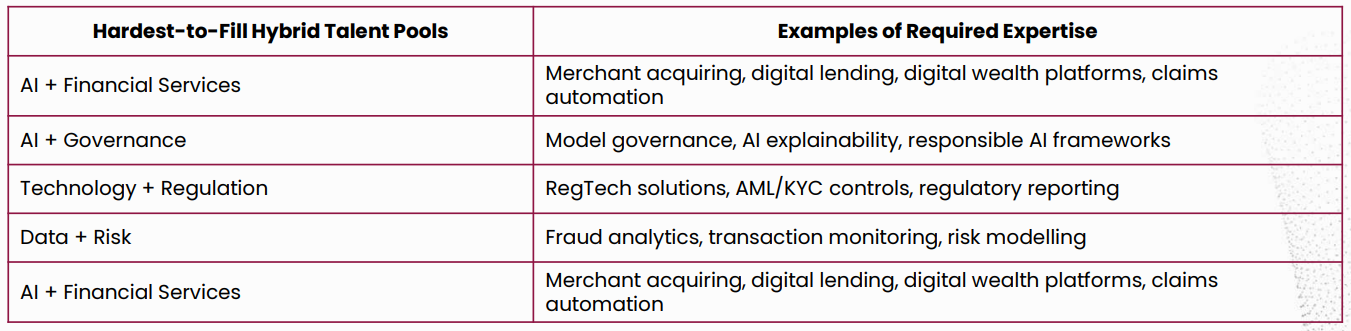
Among the hardest jobs to fill are roles that involve applying artificial intelligence (AI) in financial services, overseeing AI models, using technology to meet regulatory requirements or analysing data to detect fraud.
Fintech firms compete for talent across industries
Digital banks, payment firms, insurers and e-commerce platforms are looking for many of the same skills.

They’re hiring in a market where industries outside information and communications employed 59 percent of Singapore’s tech professionals in 2025.
Tech employment in those industries grew 5.3 percent that year, compared with 1.8 percent in information and communications.

AI is changing how fintech staff work and learn
The report expects AI to take on more routine work such as reviewing alerts and writing basic code, leaving staff more time to make decisions and work with clients.
It cites a 2025 Anthropic study in which 57 percent of the Claude interactions analysed showed people using AI to help with tasks rather than automate them.
More than 90 percent of Airwallex employees use AI tools in their daily work.
The company reported that its Singapore workforce grew about 50 percent year on year as of June 2026.
Junior staff could have fewer chances to learn the business as AI takes on more of the research and documentation that have traditionally helped train new hires.
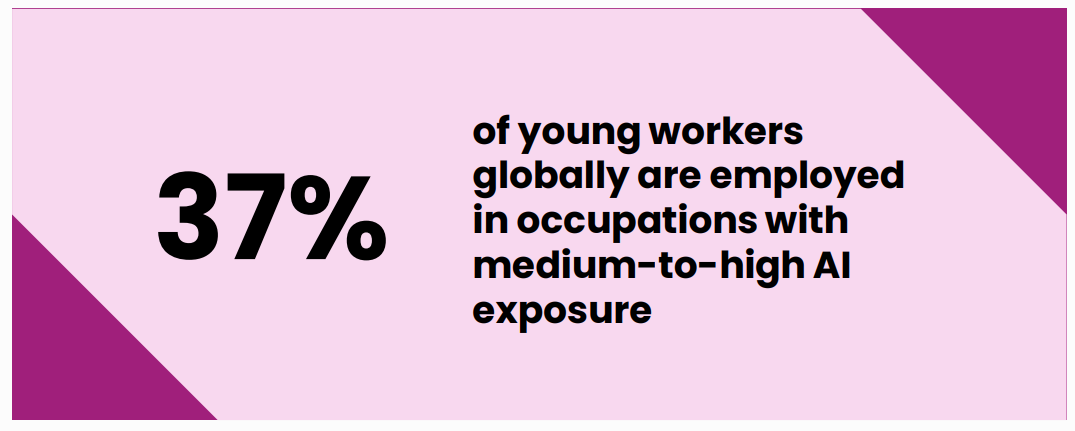
The report cites a World Economic Forum estimate that 37 percent of young workers globally are in jobs with medium to high exposure to AI-driven changes in their tasks.
The report recommends more coaching and on-the-job training for junior staff.
It also expects middle managers to spend less time coordinating routine work and more time guiding decisions.
The report calls for AI training at every level
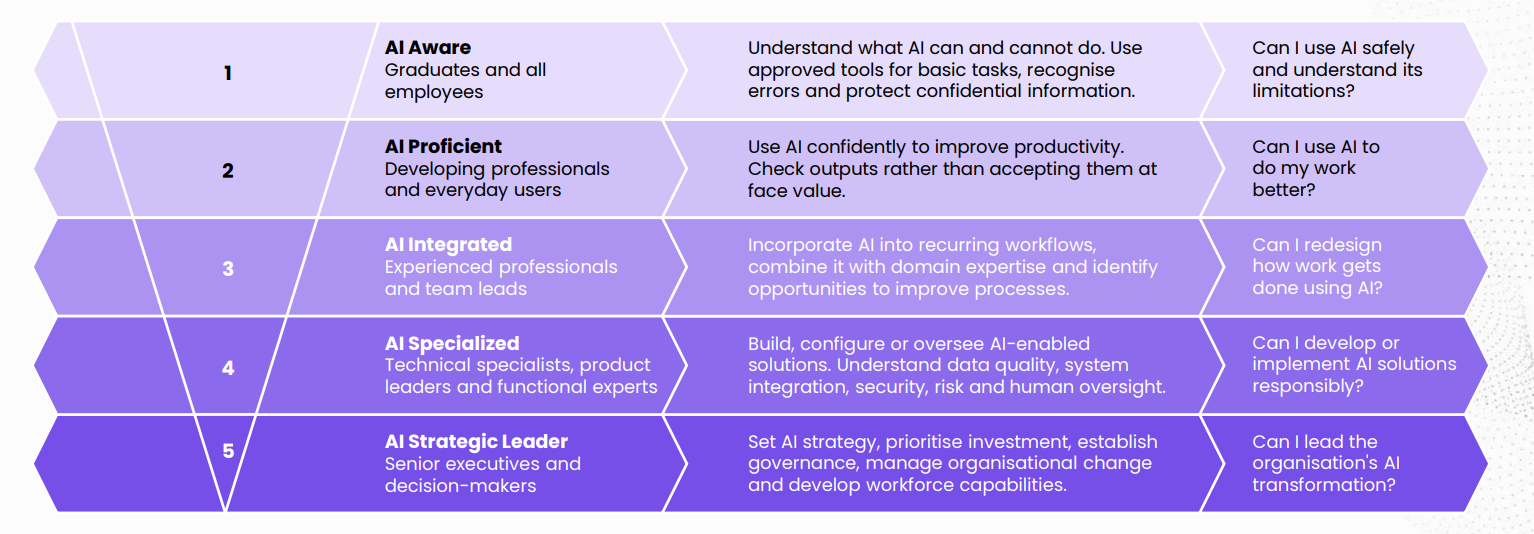
The report recommends practical AI training across departments, with expectations that vary by role.
All employees should know how to use approved tools safely and spot errors.
Team leads should know how to use AI in everyday workflows, while senior executives should set strategy and oversee how their organisations use it.
Training existing staff is only part of the response. The report urges employers to plan ahead for roles in AI, payments and digital assets, invest in developing and retaining experienced staff and make it easier for professionals from banking, technology and consulting to move into fintech.
It also calls on employers, educators and government to expand internships and other routes into the industry.
SFA’s internship platform listed at least 80 openings when the report reviewed it.

Featured image: Edited by Fintech News Singapore, based on image by riskytolen31 via Magnific
