



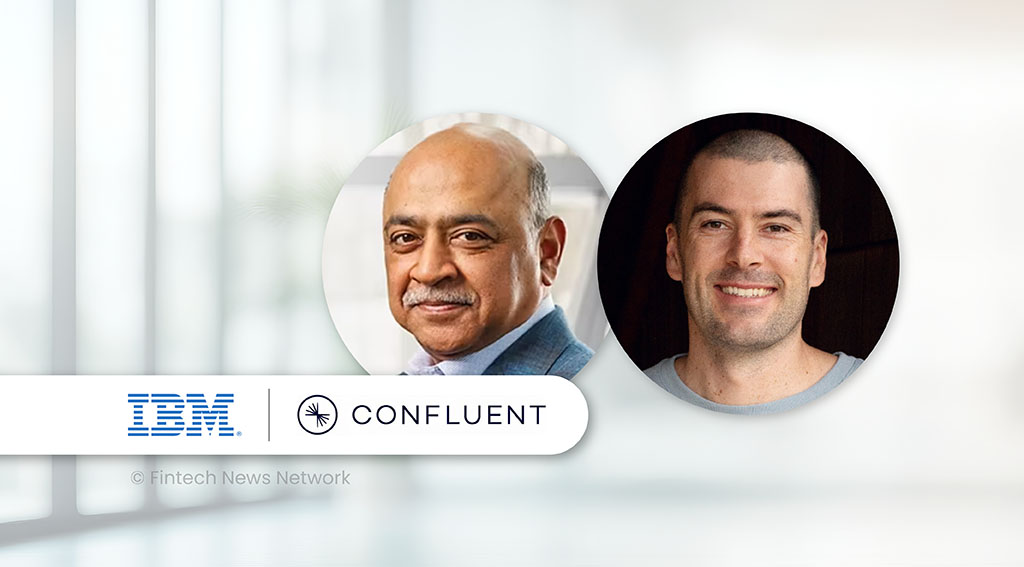
IBM and Confluent have signed a definitive agreement for IBM to acquire all issued and outstanding Confluent common shares for US$31 per share.
This values the company at US$11 billion.
Confluent provides an open-source enterprise data-streaming platform designed to connect, process and govern real-time data.
This capability is increasingly essential for deploying AI systems.

IDC estimates that more than one billion new logical applications will emerge by 2028, reshaping technology architectures across industries.
These applications, along with AI agents, require trusted, real-time data to operate effectively.
IBM and Confluent aim to integrate applications, analytics, data systems and AI agents to strengthen intelligence and resilience in hybrid-cloud environments.

“IBM and Confluent together will enable enterprises to deploy generative and agentic AI better and faster by providing trusted communication and data flow between environments, applications and APIs,”
said Arvind Krishna, IBM Chairman, President and CEO.
Jay Kreps, Confluent’s CEO and co-founder, said:

“We are excited by the potential to join IBM and to accelerate our strategy with IBM’s go-to-market expertise, global scale and extensive portfolio. I look forward to the future we will build together as Confluent becomes part of IBM.”
Confluent’s platform prepares data for AI by keeping it clean and connected across disparate systems, reducing silos common in agentic AI workloads.
The company’s total addressable market has grown from US$50 billion to US$100 billion in four years.
Its capabilities, combined with IBM’s AI infrastructure software and automation tools, are positioned to capture this expanding opportunity.
IBM views Confluent as a strategic fit aligned with its hybrid-cloud and AI roadmap. It complements IBM’s existing offerings in data and automation.
The company expects product synergies across AI, automation, data and consulting, along with operational efficiencies gained through scale.
IBM anticipates the deal will contribute to adjusted EBITDA in the first full year and to free cash flow in the second year after closing.
Featured image credit: Edited by Fintech News Singapore, based on image by ilygraphic via Freepik
