




Across Southeast Asia, real-time bank transfers are now part of everyday life. In Singapore, Thailand and Malaysia, systems like PayNow, PromptPay and DuitNow are used for everything from buying coffee to splitting the bill after dinner.
QR codes are everywhere – stuck to café tills, printed on receipts or shared through chat apps. But while these A2A systems are fast, they’re not always flexible.
Rising fraud, limited consumer protections and the domestic nature of these payment rails are starting to reveal their shortcomings.
That’s creating space for a less expected alternative: virtual cards.
In 2024, A2A and e-wallet payments in ASEAN reached a combined gross transaction value of US $1.14 trillion, a 14% increase year-on-year.
Backed by national schemes and real-time settlement rails, these systems have earned public trust by proving useful in everyday situations: paying bills, receiving salaries, or buying groceries – their speed and low cost have made them a reliable part of daily life.
But even as volumes grow, so do the limitations.
Despite widespread adoption, most A2A payment systems remain domestic in design.
Cross-border functionality depends on government or central bank-led linkages, an effort that’s still patchy across the region.
Consumer protections are also limited. Once a payment goes through, it’s typically irreversible, even in cases of fraud or error. And the fraud is escalating.
In 2024, phishing attacks involving QR codes surged by more than 270% month-on-month in Southeast Asia.
Another way to pay

Virtual cards are quietly gaining ground in the areas where A2A systems fall short.
Unlike most real-time payment rails, they come with built-in chargeback rights, stronger fraud controls and global acceptance.
That makes them a useful tool for managing subscriptions, shopping internationally or segmenting spending inside digital wallets.
And while they haven’t had the same policy push as national payment rails, adoption is clearly picking up, especially in markets where people want more protection and flexibility in how they pay.
The global virtual card market is projected to exceed US $60 billion by 2030, with Asia Pacific expected to lead the way, driven by growing demand for secure, card-based options that work across borders and channels.
Virtual cards have moved from being a nice-to-have to something many people now use every day.
Since late 2024, Visa has supported push-to-wallet virtual card provisioning in both Google Pay and Apple Pay, making it easier for users and banks to securely add new cards with spending limits and fraud controls in place.
Card funding still plays a big role in mobile payments across Southeast Asia – more than 25% of mobile payment activity in Southeast Asia is backed by credit or debit cards, and 43% of new card applicants in 2023 cited wallet integration as the main reason.
Taken together, these trends show that digital wallets and virtual cards are not only converging, but they’re also becoming interchangeable tools for consumers.
What makes virtual cards useful?
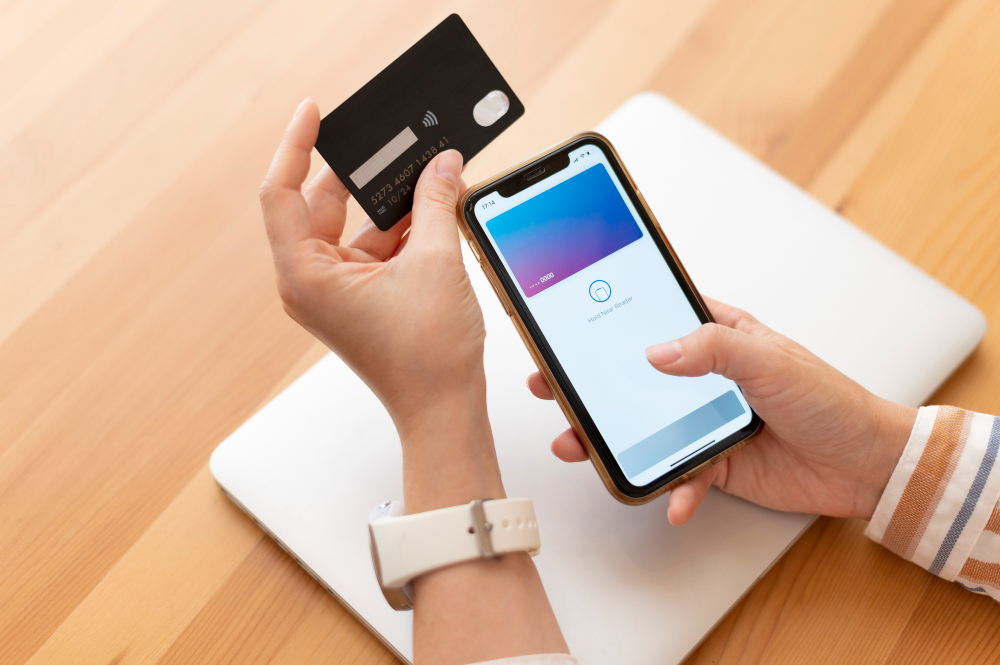
It’s the control that sets them apart. Virtual cards can be issued instantly, set up with their own spending rules, and limited to a specific category or merchant.
That makes it easier to budget, isolate spending, or manage things like subscriptions and travel – all without exposing the main account.
Some wallets even let users generate single-use cards for riskier purchases or freeze and replace a card instantly if something goes wrong.
These features offer more than convenience: they build confidence, especially when transacting online or with unfamiliar merchants.
That same flexibility is now catching the attention of banks and wallet providers, who see virtual cards not just as a feature for users, but as a tool for smarter, safer payments.
Why banks and fintechs are paying attention

For issuers, virtual cards offer practical advantages. They can be created or replaced instantly, locked to a single merchant or transaction, and turned off just as quickly.
That reduces the risk of fraud and makes them easier to manage than physical cards or bank transfers.
They also help providers see spending more clearly. Each card can be set up for a specific purpose – whether it’s for subscriptions, travel or everyday online shopping – helping both users and providers keep spending organised.
Dynamic CVVs and tokenisation add security, while real-time transaction data improves categorisation, reduces disputes and offers better visibility on user behaviour.
As more payments happen online and across borders, people want tools that offer not just speed, but more control over how their money moves.
For banks and fintechs, supporting virtual cards is a way to meet shifting customer expectations, offering added security and personalisation without giving up convenience.
What comes next is choice
Southeast Asia’s payments mix is getting more layered. As digital wallet usage grows, and commerce stretches across borders, people need different ways to pay – not just faster ones.
Virtual cards won’t replace A2A, but they’re offering something A2A can’t: user-level control, broader acceptance and better fallback when things go wrong. That makes them less of a side option, and more part of the main set.
